Observe without disturbing
Note what changed, when it happens, odors, sounds, displayed codes, and whether the appliance is hot, wet, or damaged. Avoid removing panels or touching unfamiliar valves, wiring, burners, or refrigerant lines.
Plain-language home appliance guidance
Practical information for households noticing changes around gas water heaters, refrigerators, cooktops, and boilers. This is an educational reference—not a substitute for appliance manuals, emergency services, or qualified assessment.
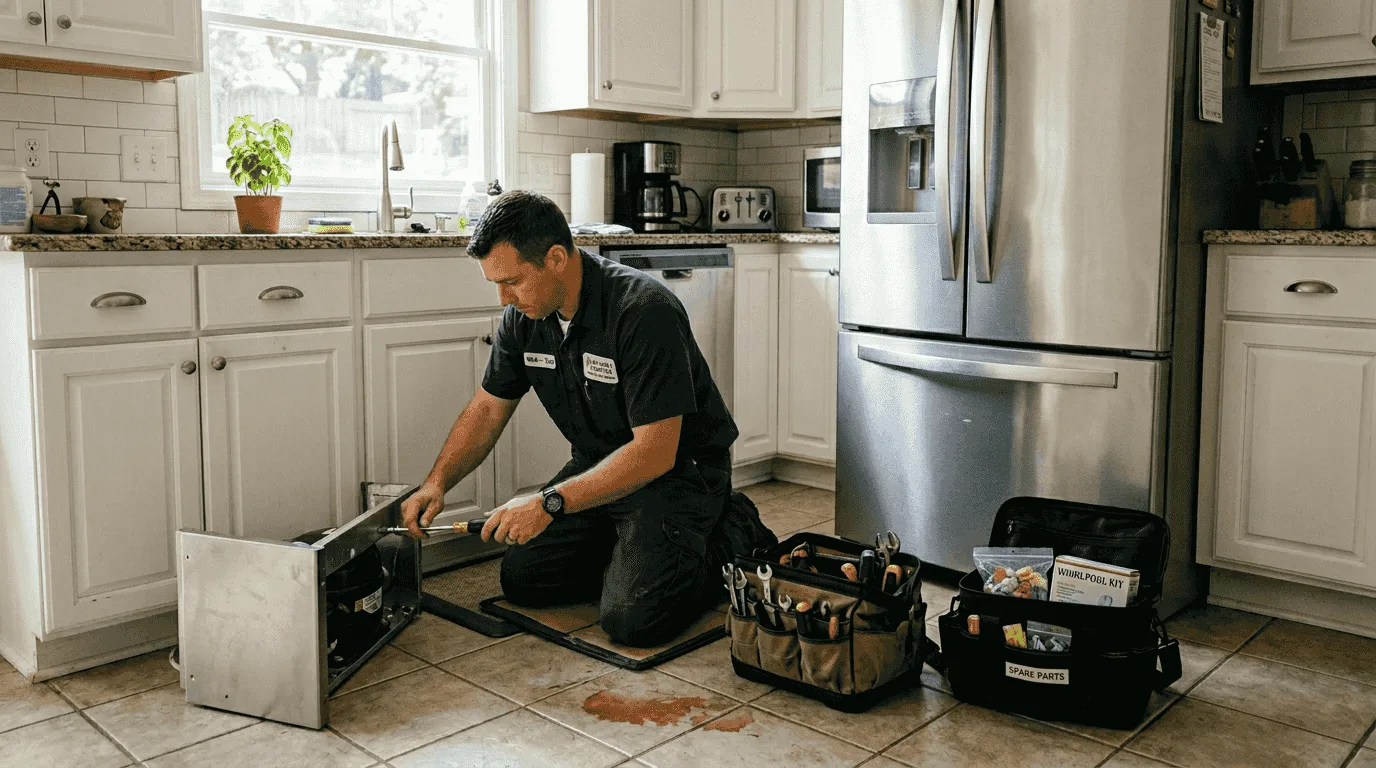
Module 01 · safer first steps
A fault can look small at first. Distinguishing an inconvenience from a possible gas, combustion, electrical, heat, or food-safety issue helps keep the next step proportionate.
Note what changed, when it happens, odors, sounds, displayed codes, and whether the appliance is hot, wet, or damaged. Avoid removing panels or touching unfamiliar valves, wiring, burners, or refrigerant lines.
Smoke, scorching, gas odor, repeated breaker trips, a damaged cord, water near electrical parts, a yellow or unstable flame, or a carbon monoxide alarm are reasons to stop using the appliance.
Read the appliance manual and labels for normal operation and safe shutoff information. Local codes, licensed professionals, manufacturers, utilities, and emergency authorities are the right sources for decisions beyond basic observation.
Gas combustion appliances and appliances with energized wiring have hazards that cannot be diagnosed safely by appearance alone. If a symptom is new, persistent, or paired with a warning sign, leave investigation to the appropriate qualified person and follow local emergency instructions where relevant.
Module 02 · appliance snapshots
These summaries are designed to help a household name what it sees and choose a conservative next action. They do not provide repair steps.
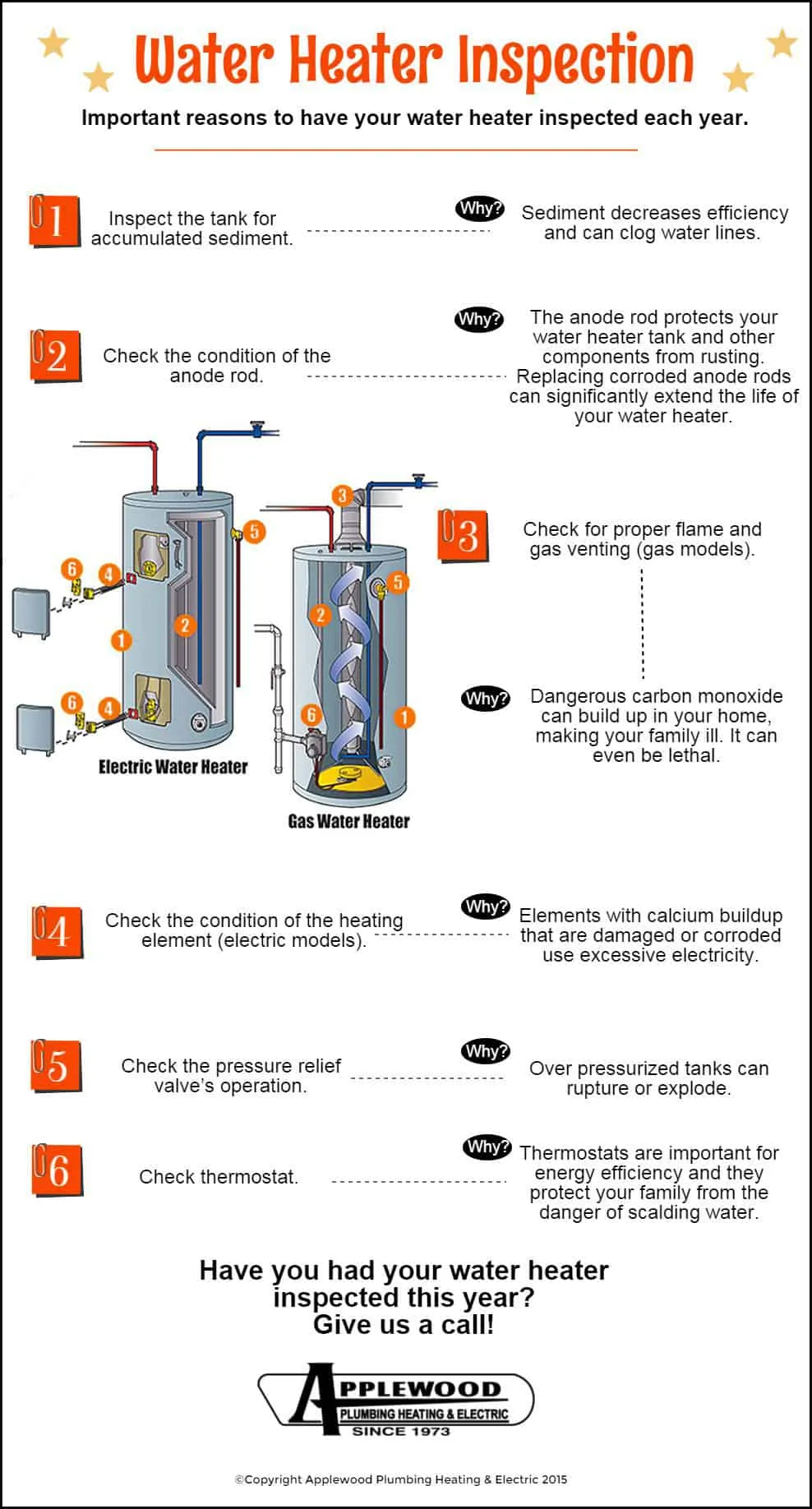
Combustion, venting, hot water, pressure relief, and gas connection concerns call for extra caution.
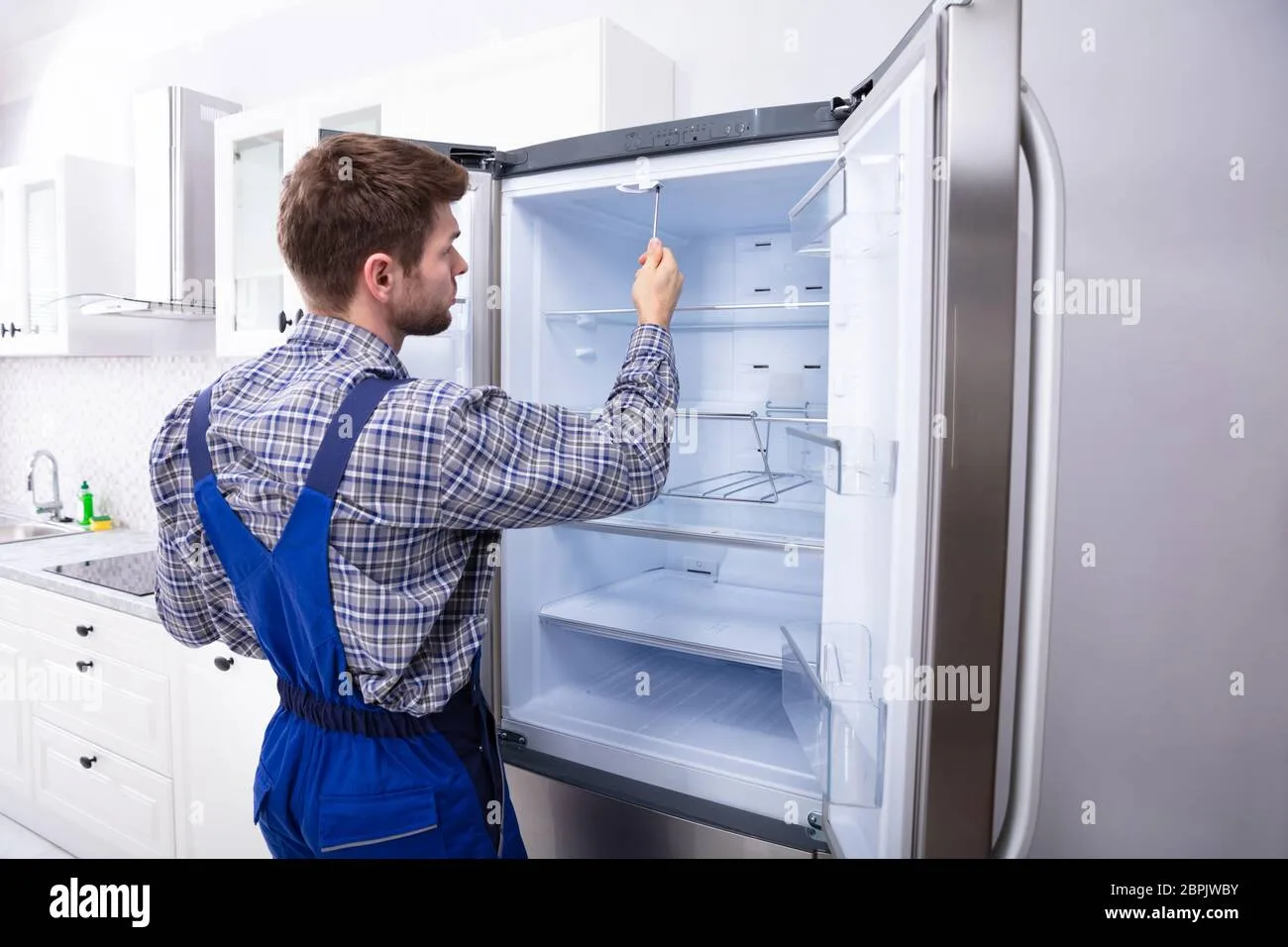
Temperature stability, door sealing, unusual heat, frost, leaks, and food safety matter most.
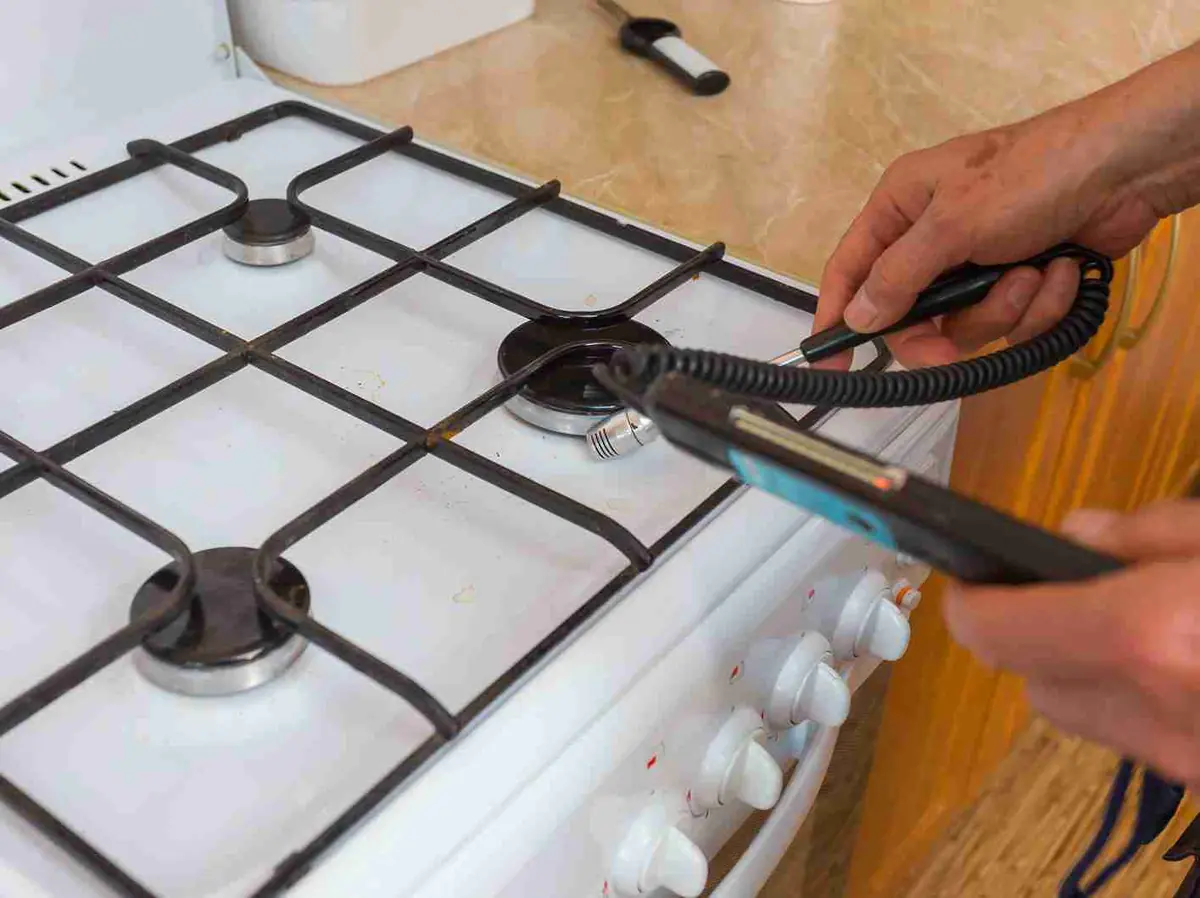
Flame behavior, ignition, burner cleanliness, ventilation, and gas odor require a stop-first mindset.
Pressure, leaks, combustion, venting, heating performance, and control warnings belong in a careful record.
Module 03 · gas water heaters
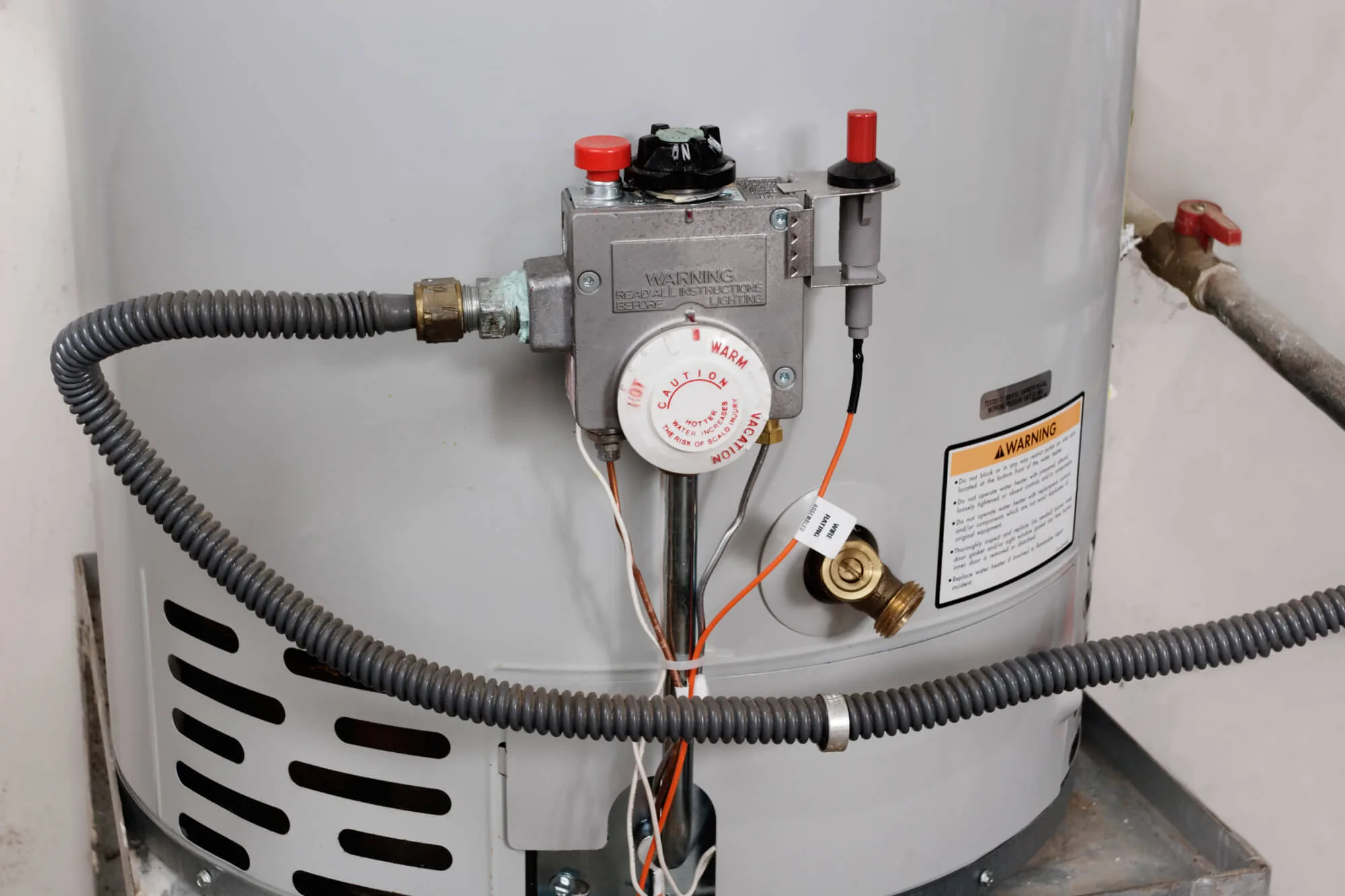
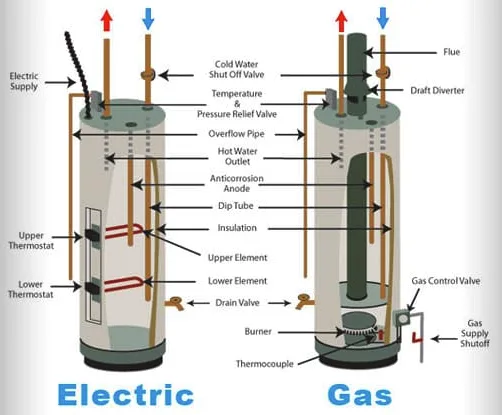
A gas water heater combines hot water and combustion. Keep clearance around it, do not block air openings or flues, and do not alter controls beyond normal user-facing settings documented by the manufacturer.
Module 04 · refrigerators
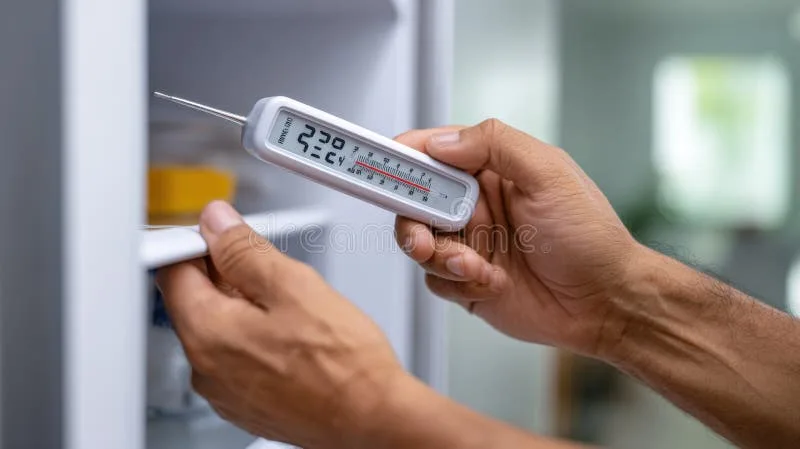
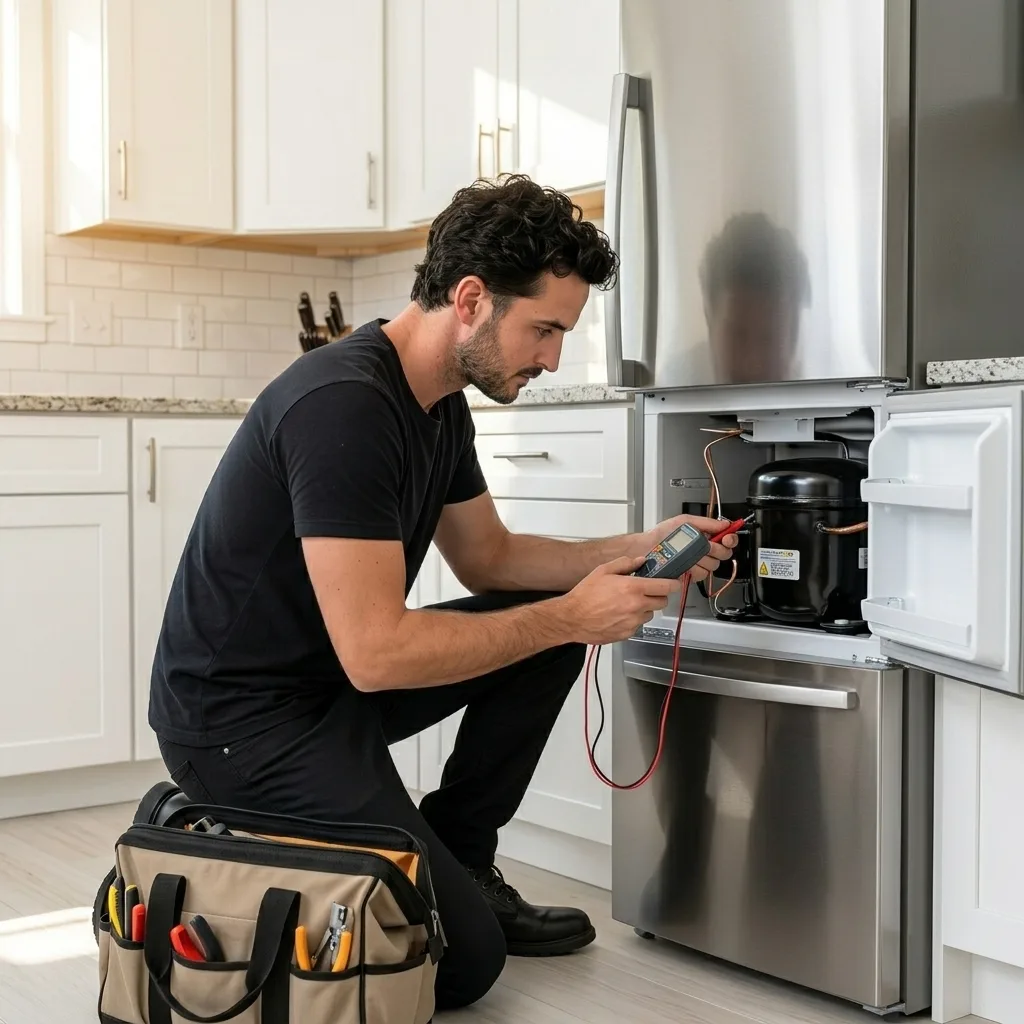
A refrigerator that feels warm, cycles differently, leaks, frosts excessively, or fails to seal can affect food safety and the appliance’s operation. The most useful first information is time and temperature—not a guess about the cause.
Module 05 · gas cooktops
A cooktop’s normal behavior is shaped by its manual, fuel type, installation, and clean assembled burner components. Any suspected leak or combustion concern changes the decision: move away and use local emergency or utility instructions from a safe location.
01
Do not test for gas with a flame. Do not operate switches or ignition around a suspected leak. Avoid creating a spark.
02
Note whether a flame is absent, delayed, lifting, yellow, unstable, or leaving soot—without touching a burner while hot.
03
Routine user cleaning and manufacturer directions are not a license to dismantle controls, gas piping, igniters, or valves.
Module 06 · boilers
A room that is not warming, a visible error state, a changing pressure display, or a drip can be useful observations. It is not enough information to safely identify a fault. Do not remove a boiler casing or interfere with sealed combustion, gas, electrical, or pressure components.
Module 07 · interactive checklists
Each checklist is intentionally limited to user-safe observations and documentation. It does not tell you how to make a repair.
Module 08 · diagnostic notes
When the situation is not an emergency, a simple record can make a later conversation clearer. Avoid personal assumptions about the cause; stick to what was seen, heard, smelled, and measured safely.
When did it begin? Is it continuous, occasional, or tied to appliance use?
Describe the noise, odor, display message, temperature, drip, or flame behavior exactly.
Keep the visible model and serial information from the appliance label or manual.
Note any safe action already taken, such as stopping use or moving food to safer storage.
Module 09 · boundaries
Senuraviko Space provides general, safety-oriented information. It is not a service marketplace, an emergency dispatch tool, a repair provider, or an individualized diagnosis. Conditions, codes, fuel systems, electrical configurations, and appliances vary.
Use manufacturer documentation and applicable local regulations. Where a condition calls for professional evaluation, choose an appropriately qualified and authorized person for the appliance and location.
Module 10 · questions
Treat a gas odor as a potential emergency rather than a troubleshooting clue. If it is safe to do so, move people away from the area and follow local emergency or gas utility instructions from a safe location. Avoid flames, smoking, appliance ignition, electrical switches, doorbells, phones used near the suspected source, and attempts to locate or repair the leak. Do not return until the appropriate authority says it is safe.
Food safety depends on the actual storage temperature, how long the temperature has been outside a safe range, and the type of food involved. Keep the refrigerator door closed as much as possible, use an appliance thermometer if available, and follow advice from your local food-safety authority for storing or discarding affected items. Avoid relying on smell or appearance alone, because harmful bacteria are not always detectable that way.
No. Flame appearance can be influenced by assembly, contamination, air supply, fuel characteristics, installation, or a combustion-related condition. Because a cooktop uses gas and ignition, it is not safe to assume that a flame change has a harmless cause. If a flame is persistently yellow, unstable, lifting, sooting, delayed, or accompanied by odor, stop using the appliance and use the manual and appropriate local qualified guidance.
Error codes are model-specific and may represent a condition, a protective shutdown, or a symptom rather than a repair diagnosis. The same code family can have different meanings across manufacturers and regions. A safe response is to record the code exactly, check the manufacturer documentation for user-facing safety instructions, and avoid opening the casing or changing internal settings. Gas, combustion, water pressure, and electrical work may require authorized assessment.
Module 11 · browser-local draft
This form saves nothing and sends nothing. It helps organize a non-emergency question as a local browser draft. For a general site question, email [email protected].